
Voices from the Balkans Kamerkoor Ilmatar & Aleksandra Popovska with Amel Sdiri
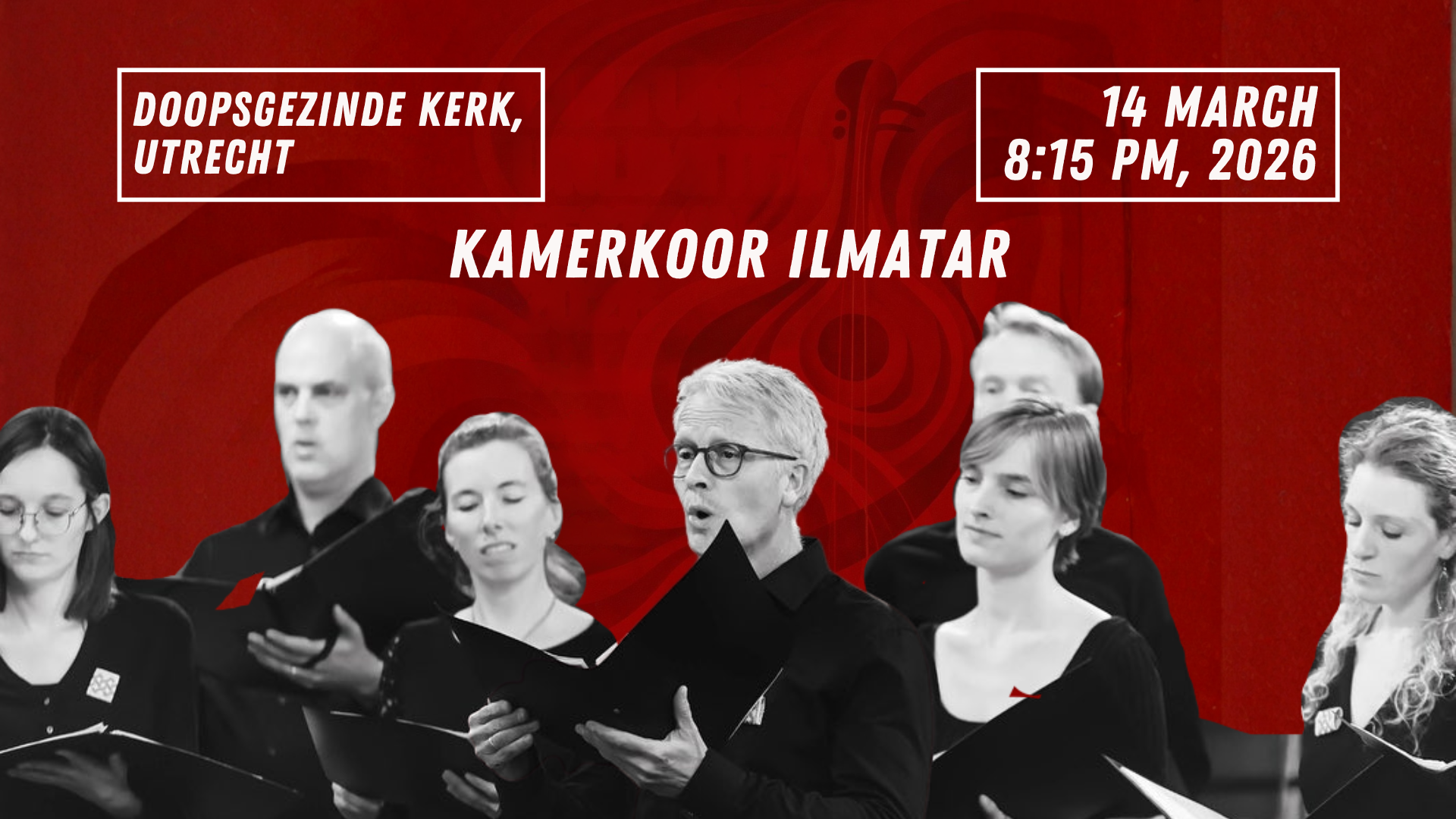
Voices from the Balkans
Kamerkoor Ilmatar & Aleksandra Popovska
with Amel Sdiri
📅 Saturday, 14 March 2026
🕗 20:15
DOOPSGEZINDE KERK, UTRECHT Mennonite Church, Utrecht
📍 Oude Gracht 270
Buy tickets before March 14th: https://koortickets.nl/ticketshop.php?nl&ids=940
At a time when walls are being built across the world and societies increasingly retreat into their own bubbles, this programme turns its gaze toward the Balkans — and in particular the countries of the former Yugoslavia. A region where diverse cultures, influences, and religions have coexisted for centuries, sometimes in harmony, sometimes under great tension. It is precisely here that stories of closeness, connection, and the celebration of life can be found — in music and on village squares, where they have been passed on from generation to generation.
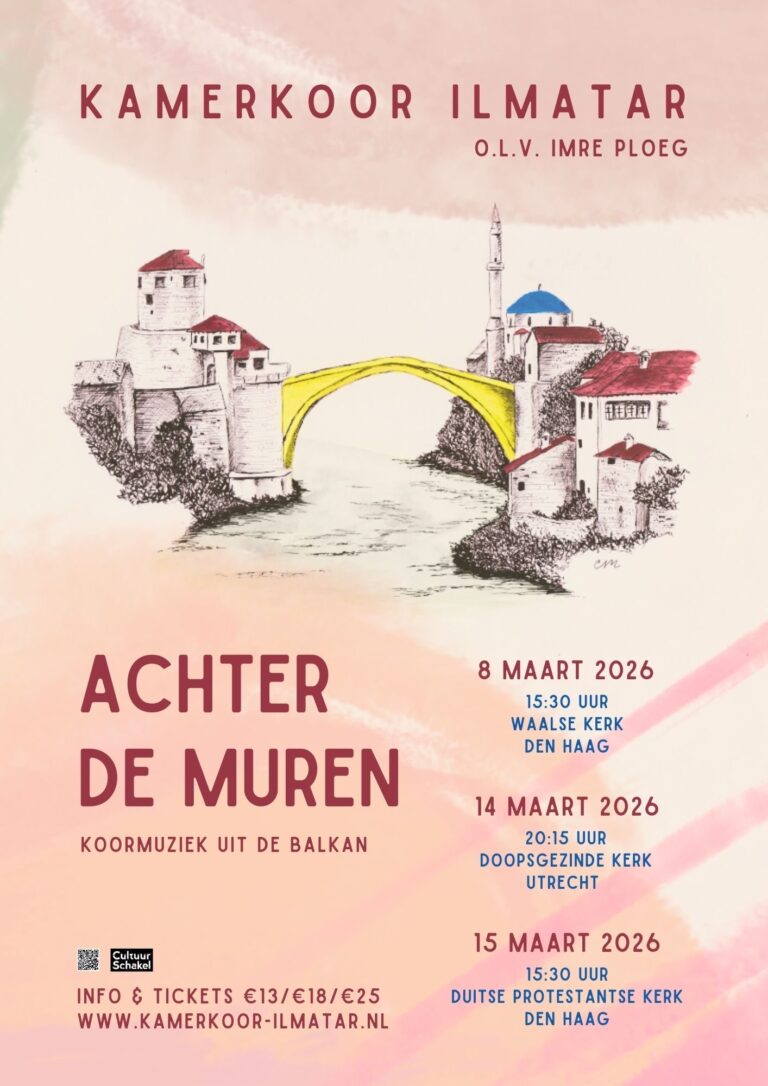
A journey to Bosnia and beyond
In early 2026, Kamerkoor Ilmatar embarks on a special artistic journey to Bosnia and Herzegovina, immersing itself in the musical traditions of the Balkans. This concert programme presents traditional Sevdah songs — a Bosnian musical style rooted in the Ottoman era, marked by deep melancholy and longing — alongside rhythmic, vibrant, and deeply moving music from Serbia, North Macedonia, Croatia, and Slovenia.
Contemporary compositions merge with centuries-old Byzantine, Ottoman, Sephardic, and Eastern Orthodox melodies, creating a layered vocal landscape in which history and the present meet.
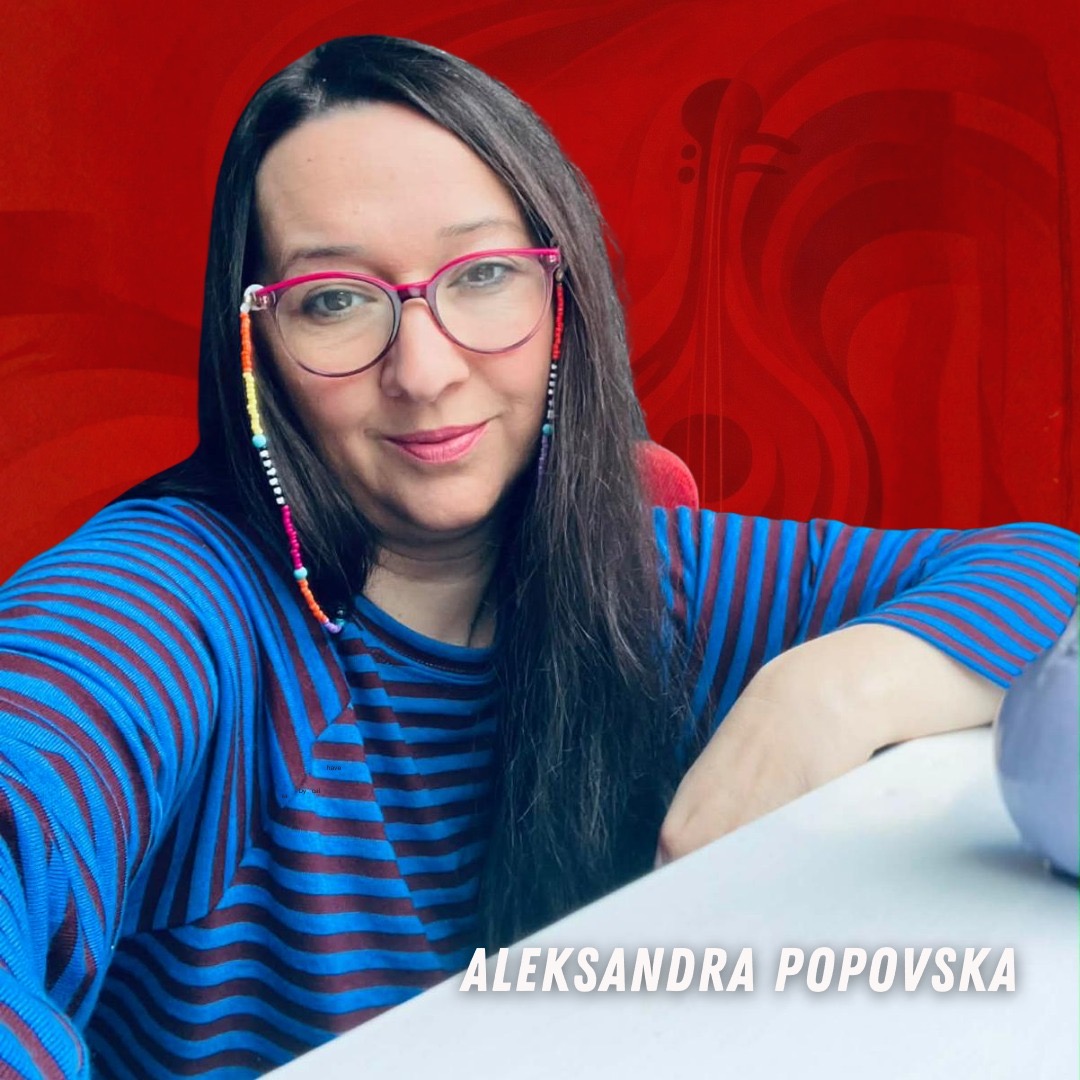
Aleksandra Popovska — soloist & arranger
At the artistic heart of this programme is Aleksandra Popovska, whose musical path bridges her Balkan roots with the Dutch contemporary music scene. An alumna of the Utrecht School of the Arts and the Faculty of Music in Skopje, Popovska has developed into a versatile vocalist and musical thinker with a refined sensitivity for ensemble work.
As a vocalist, and performer of traditional Macedonian flutes, she brings a deeply rooted yet contemporary approach to vocal expression. For this programme, she created contemporary choral arrangements especially for Kamerkoor Ilmatar, reimagining traditional Balkan folk music through a modern artistic lens.
Her role in this project is central: shaping the musical language, connecting tradition and innovation, and bringing a strong personal voice to the repertoire.
In addition to her soloistic presence, Popovska is known for her collaborations with choirs and ensembles, including her work with the Dragan Dautovski Quartet, among others. She embodies the balance between individual artistry and collective musical expression that characterises contemporary vocal practice today.
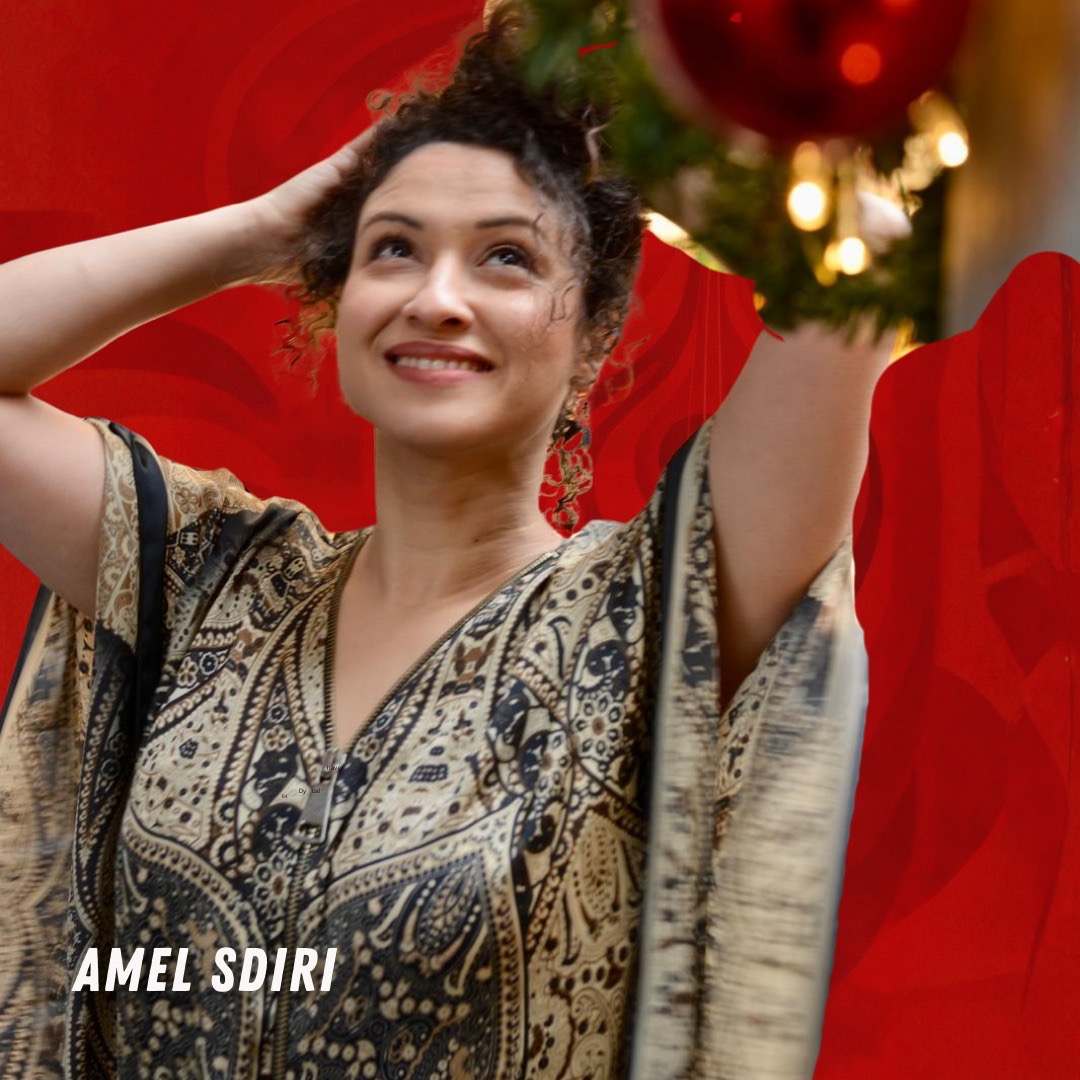
voice — Amel Sdiri
Soloist Amel Sdiri adds a distinct vocal dimension to the programme. Raised in the Tunisian coastal city of Bizerte, she brings a voice shaped by classical training, Tunisian tradition, and global musical curiosity. In this concert she performs repertoire from the Tunisian Sufi tradition, marked by ecstatic, poetic, and modal qualities that resonate deeply with the spiritual layers of the Balkan repertoire.
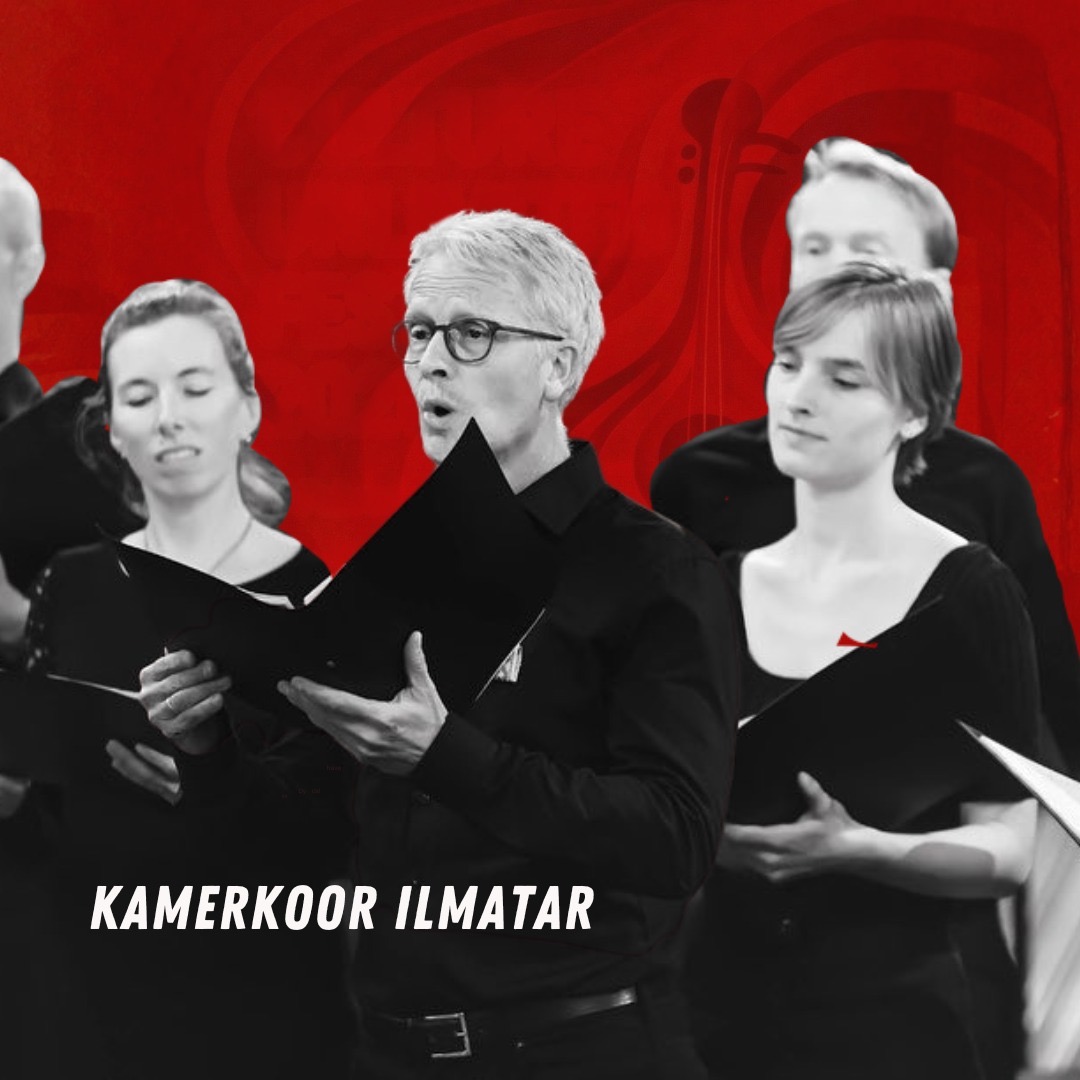
Kamerkoor Ilmatar
Based in The Hague and led by conductor Imre Ploeg, Kamerkoor Ilmatar is known for its poetic, thematically curated programmes that interweave classical choral repertoire with folk traditions, contemporary compositions, and interdisciplinary work. The choir’s intercultural approach and commitment to artistic dialogue make it uniquely suited to explore the musical diversity of the Balkans.
In this programme, Ilmatar explores the vocal heritage of Bosnia and the wider Balkan region, including urban lyrical traditions such as sevdalinka and rural styles like ganga and ojkanje. Religious and cultural diversity plays a central role, with music drawn from Byzantine and Ottoman sacred traditions, Sufi practices, and Sephardic Ladino songs.
The repertoire includes works such as Kad procvatu behari, Kolika je Jahorina planina, Ne sedi, Djemo!, Ajde Jano, Heruvimska Pesma, Ta na Solbici, and Caminí por altas torres, among others.
Contemporary perspectives & participation
Traditional forms are reinterpreted through a contemporary artistic lens, incorporating works by modern Bosnian and Balkan composers and new choral arrangements that bridge Western European choral practice with Balkan musical contexts. The Dutch performances also include participatory elements, such as workshops, shared rehearsals, or informal singing moments with the audience, strengthening intercultural exchange.


